

Cosmetic dentistry focuses on improving the appearance of teeth and gums. Common goals include:
- Correcting discolouration
- Repairing chips
- Cosing gaps
- Adjusting minor misalignment
- Replacing missing teeth
- Reshaping a gummy smile
Complications can arise when cosmetic procedures fail due to poor fit, substandard materials, technical errors, or inadequate treatment planning.
What begins as a cosmetic correction can quickly turn into an urgent oral health problem.
Dental emergencies involve situations that carry a risk of severe pain, spreading infection, structural compromise, or permanent damage if treatment is delayed.
Failed cosmetic dentistry can directly contribute to these urgent conditions, making immediate professional care essential.
Let us talk about dental issues that might occur as a result of a failed cosmetic dentistry.
Emergency Issue #1 – Severe Tooth Pain After Cosmetic Procedures

Post procedure discomfort is common for a short time, but intense or persistent pain often signals a problem that requires evaluation.
Aggressive enamel removal during veneer placement, deep tooth preparation for crowns, or irritation of the dental pulp can trigger significant nerve sensitivity.
Improper bonding techniques or unnoticed decay under restorations may also contribute to ongoing pain that does not subside after a few days.
- Excessive reduction of enamel that leaves dentin exposed
- Trauma to the pulp during drilling or preparation
- Failure to detect pre existing decay before placing veneers or crowns
- High bite pressure on a newly restored tooth
Severe or lingering tooth pain is widely recognized as a dental emergency. Persistent pain may indicate pulp inflammation, deep decay, or the formation of an abscess.
- Throbbing pain that disrupts sleep
- Swelling in the gums or face
- Sharp sensitivity to hot or cold temperatures
- Pain when biting or applying pressure
Untreated pulp inflammation can progress to infection. Bacteria may travel into the root canal system, leading to abscess formation. Prompt evaluation helps prevent spreading infection, bone involvement, and eventual tooth loss.
Severe or lingering tooth pain is widely recognized as a dental emergency.
Seeking immediate care from an experienced Akutt Tannlege can help diagnose the underlying cause and prevent complications such as infection or abscess formation.
Emergency Issue #2 – Cracked, Broken, or Debonded Veneers or Crowns
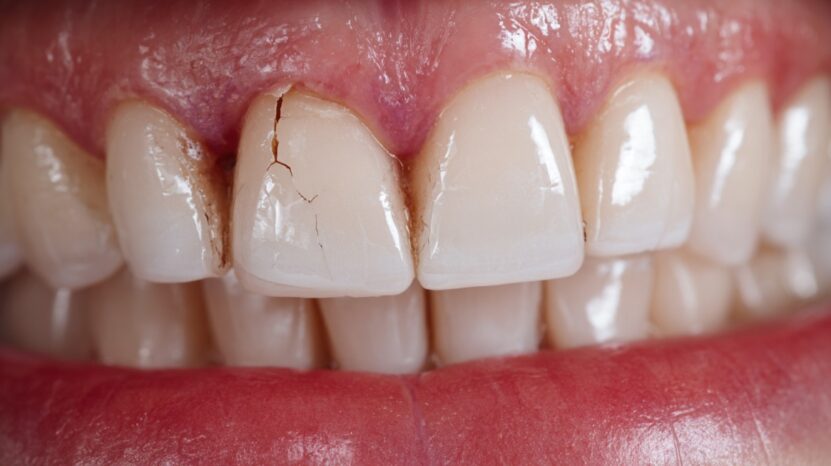
Veneers and crowns depend on proper fit and secure bonding to maintain strength and function.
Cracking, fracturing, or detachment can occur when restorations are poorly fabricated, improperly placed, or subjected to excessive bite forces.
Inadequate adhesion leaves the underlying tooth structure vulnerable to mechanical stress and bacterial exposure.
- Visible cracks in porcelain
- Complete detachment of a veneer or crown
- Chipping along restoration edges
- Movement or rocking of the crown during chewing
Broken or dislodged restorations are considered common dental emergencies. Exposed tooth surfaces become highly sensitive and more susceptible to decay and infection.
Sharp edges or fragments can injure gums, cheeks, or the tongue, increasing discomfort and risk of soft tissue damage.
Swift care is necessary to protect the remaining tooth structure.
Delayed treatment can result in further fracture of the natural tooth, contamination of exposed dentin, and rapid bacterial invasion that may require root canal therapy.
Emergency Issue #3 – Infection and Dental Abscess
View this post on Instagram
Failed restorations with poorly sealed margins create small gaps where bacteria accumulate.
Trapped bacteria can infiltrate the inner tooth or surrounding tissues.
Inadequate sterilisation practices or incomplete removal of decay prior to cosmetic placement also increase infection risk.
Infection may begin silently and then escalate quickly.
- Localized gum tenderness near the restored tooth
- Increasing pressure or throbbing pain
- Swelling of the gum or face
- Fever or general malaise in advanced cases
Dental abscesses involve pockets of infection that cause severe pain and noticeable swelling.
Facial swelling, tenderness, and difficulty chewing are frequent symptoms. Infection can spread into the surrounding bone and soft tissues if not treated promptly.
Abscesses require urgent treatment to prevent systemic complications.
Immediate intervention may include drainage of the infected area, root canal therapy to remove infected pulp tissue, or extraction in severe cases.
Rapid care protects oral structures and reduces the risk of infection spreading through the bloodstream.
Emergency Issue #4 – Gum and Soft Tissue Trauma
Cosmetic gum contouring and reshaping demand precision and careful planning.
Excessive removal of gum tissue or improper technique can result in significant bleeding, gum recession, or long-lasting tissue damage.
Poorly fitted restorations may rub against soft tissue, creating irritation and chronic inflammation.
- Persistent bleeding that does not stop easily
- Swollen or tender gum margins
- Receding gum lines that expose tooth roots
- Pain while brushing or eating
Persistent bleeding and soft tissue injury are recognized emergency symptoms when they do not resolve quickly.
Damaged gum tissue can become infected if not promptly treated. Exposed roots increase sensitivity and vulnerability to decay.
Immediate care reduces infection risk and stabilizes affected tissues.
Early periodontal intervention can limit long-term complications such as progressive gum recession and bone loss.
Emergency Issue #5 – Unstable or Loose Teeth Due to Poor Bite Alignment
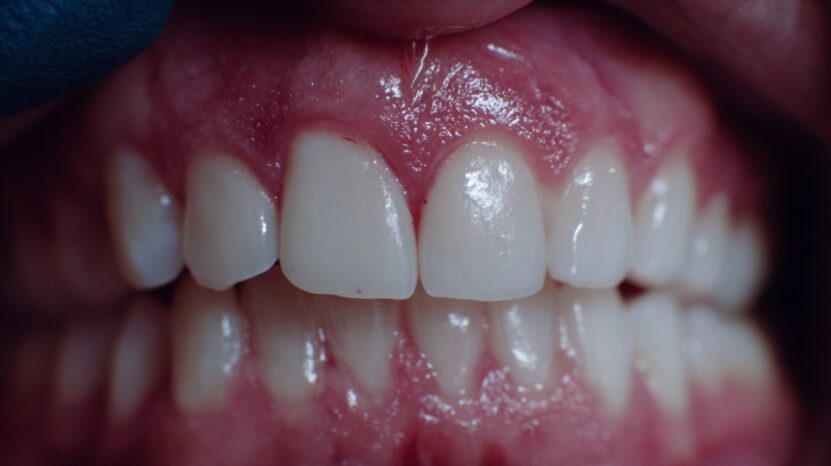
Changes to tooth shape or alignment during cosmetic treatment can alter bite dynamics in subtle but harmful ways.
Poorly adjusted restorations may place excessive force on specific teeth during chewing or clenching.
Overloaded teeth experience stress that weakens ligaments and surrounding bone support.
Warning indicators of bite-related instability include pain while biting, shifting of teeth, or a feeling that a tooth is moving out of position.
- Increased mobility of a permanent tooth
- Soreness in the jaw muscles
- Uneven wear on restoration surfaces
- Clicking or discomfort in the jaw joint
Loose permanent teeth are considered urgent dental concerns. Instability can lead to fractures, further shifting, or eventual tooth loss if left untreated.
Urgent stabilisation is necessary to preserve affected teeth.
Bite correction, splinting, or occlusal adjustment can redistribute pressure and protect surrounding bone and tissue.
Emergency Issue #6 – Lost Fillings, Temporary Restorations, or Bonding Failures
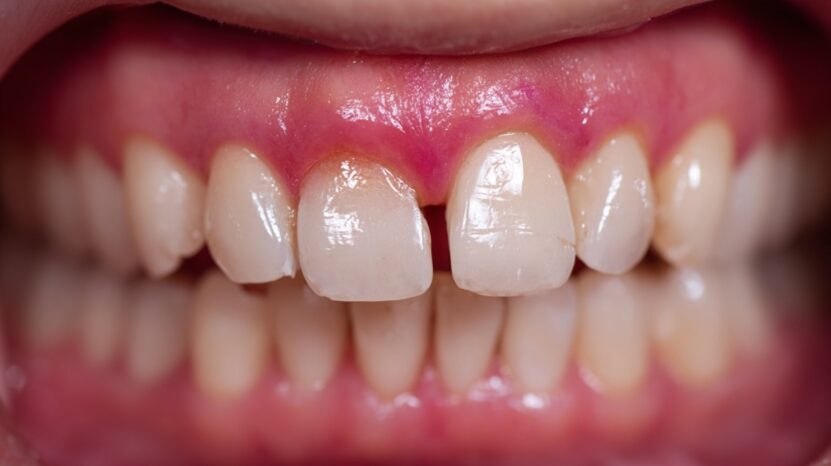
Composite bonding and temporary restorations are frequently used during cosmetic procedures.
Poor bonding technique, inferior materials, or excessive pressure can cause these restorations to dislodge or fracture unexpectedly.
- A missing filling leaving a visible hole
- Rough or sharp edges on a treated tooth
- Sudden sensitivity to air or temperature
- Food packing into an exposed cavity
Lost fillings and crowns are specifically identified as common dental emergencies because they expose inner tooth layers to bacteria.
Exposed dentin becomes highly sensitive and vulnerable to rapid decay.
Immediate repair restores protection and reduces infection risk. Delay increases the chance of pulp involvement, which may require more invasive treatment such as root canal therapy.
Emergency Issue #7 – Trauma and Facial Injury From Cosmetic Procedure Complications
View this post on Instagram
Complications during cosmetic treatment can cause unintended injury to teeth, gums, or facial structures. Excessive force, instrument slippage, or inadequate protective measures may result in fractures or soft tissue damage during the procedure.
- Fractured or chipped natural teeth
- Knocked out teeth
- Deep cuts to lips, cheeks, or gums
- Jaw pain or suspected jaw fracture
Facial and oral trauma requires immediate care because damage can affect both function and long-term stability.
Rapid evaluation improves the likelihood of saving injured teeth and minimizing permanent harm.
Prompt treatment addresses active bleeding, stabilizes fractured teeth or jaw structures, and provides pain control. Early intervention significantly improves overall prognosis and protects oral health.
Summary
Failed cosmetic dentistry can transform aesthetic corrections into serious dental emergencies.
Severe pain, infection, structural damage, loose teeth, and facial trauma may develop when procedures are improperly planned or executed.
Early recognition of warning signs, immediate professional care, and proper dental hygiene play a critical role in preventing lasting harm.
Timely intervention protects oral health and reduces the risk of permanent complications.