Developers are facing tighter pressure on nearly every side of a project.
Labor costs keep climbing, material prices can shift quickly, timelines are often compressed, and buyers or tenants expect faster delivery.
For many builders, older construction methods can make those challenges harder to manage because too much work depends on jobsite labor, weather delays, custom cutting, and unpredictable coordination.
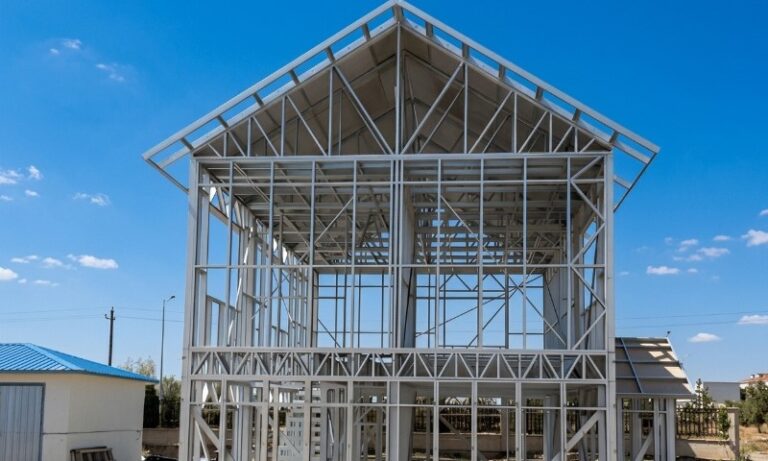
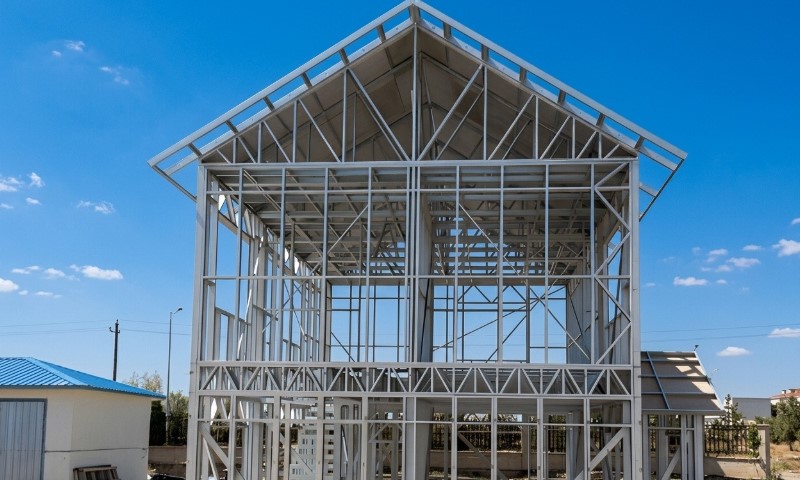
Steel home kits offer a practical way to make projects faster, cleaner, and easier to control. Instead of building every major piece on-site, developers can use pre-engineered steel packages designed for efficient assembly.
Components arrive ready to install, which can reduce jobsite delays and help teams move through each phase with fewer surprises.
Faster Construction Starts With Prefabrication
Prefabrication is one of the biggest reasons steel home kits can speed up construction.
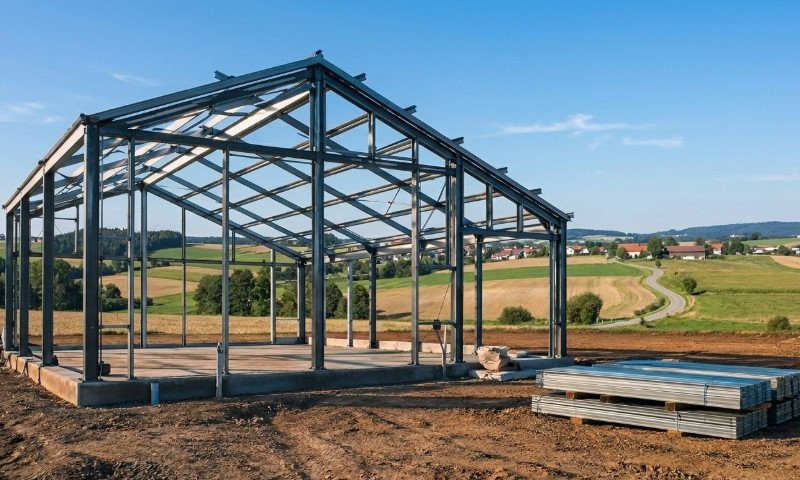
Instead of relying on crews to measure, cut, drill, and adjust every major piece at the jobsite, steel components are produced in a controlled factory setting.
Parts arrive ready for assembly in several important ways:
- Pre-cut to fit the approved design
- Pre-punched for faster fastening
Welded where needed before delivery
Clearly labeled so crews can identify each piece quickly
Crews can spend less time correcting mistakes and more time putting the structure together.
Assembly works more like building a large kit than fabricating a structure piece by piece in the field.
That can make scheduling more predictable, especially when developers are managing several lots or repeated building plans.
Speed can be significant on projects of different sizes:
- A modest 2,500-square-foot prefabricated building frame can go up in about three days, depending on crew size.
- A 6,000-square-foot structure can take about one week to erect.
- Prefabricated metal components can be manufactured off-site and assembled on-site in a fraction of the time required for traditional buildings.
Research from McKinsey found that modular construction has already shown a track record of accelerating project timelines by 20% to 50% compared with traditional construction.
For developers, that means steel home kits and other off-site construction systems may help shorten schedules when design, permitting, manufacturing, site work, and assembly are coordinated properly.
Quicker progress can also help teams move faster toward occupancy, sale, or rental income.
Repeated steel kit designs can also improve sequencing across multiple projects. Once crews learn the assembly process, later builds may move more smoothly.
That repeatability can help developers reduce delays, manage subcontractors more effectively, and keep schedules tighter.
Shorter Timelines Mean Faster Revenue
Time has a direct effect on profitability. Every delayed week can mean higher carrying costs, longer financing periods, delayed rent collection, and delayed resale proceeds.
For developers, speed is not only a construction advantage. It can also improve cash flow.
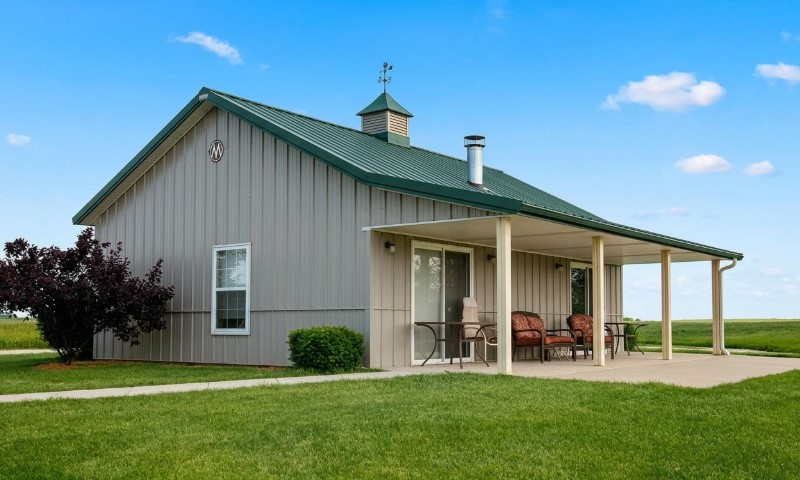
Faster completion allows a property to become usable sooner. Rental units can begin generating income earlier.
Homes intended for resale can reach the market sooner. For developers and real estate investment firms such as Elythera Investments, stronger project timing can also support healthier cash flow and more predictable returns.
Homes intended for resale can reach the market sooner. Commercial or mixed-use steel projects can also move more quickly toward tenant occupancy.
In real estate, faster completion can mean faster revenue. When a building is completed and made available for occupancy sooner, it can start generating rental income or resale proceeds sooner.
Quicker construction can also help an enterprise open earlier and begin producing profits faster.
Data makes the timing advantage clear. If builders can save up to 33% of the time required for traditional construction, developers may reduce financing exposure and move more quickly out of the construction expense phase.
Project velocity matters, especially for developers working across multiple sites. A faster system can help teams complete one project, collect revenue, and shift labor or capital toward the next opportunity.
Repeatable steel kit systems can also help developers scale similar builds with better schedule control.
Shorter Timelines Mean Faster Revenue
Time has a direct effect on profitability. Every delayed week can mean higher carrying costs, longer financing periods, delayed rent collection, and delayed resale proceeds.
For developers, speed is not only a construction advantage. It can also improve cash flow.
Faster completion allows a property to become usable sooner. Rental units can begin generating income earlier.
Homes intended for resale can reach the market sooner. For developers and real estate investment firms such as Elythera Investments, stronger project timing can also support healthier cash flow and more predictable returns.
Homes intended for resale can reach the market sooner. Commercial or mixed-use steel projects can also move more quickly toward tenant occupancy.
Quicker construction can also help an enterprise open earlier and begin producing profits faster.
Data makes the timing advantage clear. If builders can save up to 33% of the time required for traditional construction, developers may reduce financing exposure and move more quickly out of the construction expense phase.
Project velocity matters, especially for developers working across multiple sites. A faster system can help teams complete one project, collect revenue, and shift labor or capital toward the next opportunity.
Repeatable steel kit systems can also help developers scale similar builds with better schedule control.
Reduced Labor Needs Help Protect Margins
Labor is one of the largest cost drivers in construction. Skilled crews are expensive, availability can be limited, and extended timelines can push labor costs higher than expected.
Steel home kits can reduce labor demand because many of the most time-consuming fabrication steps are handled before materials reach the site.
Several labor-related advantages can support better margin control:
- Fewer components may need to be handled.
- Less skilled on-site fabrication is required.
- Installation can often be completed with smaller, more focused crews.
- Easier labor planning can help developers keep budgets on track.
Labor often accounts for 30% to 50% of a full-service metal building project, making labor reduction one of the biggest opportunities for savings.
Faster construction also directly reduces labor exposure because every extra day on-site can add payroll, supervision, equipment, and coordination costs.
Steel also adds structural efficiency. Its strength allows fewer pieces to create a stronger frame.
Metal building systems may space columns 25 feet apart, while traditional wood framing places studs every 16 inches. Wood framing often requires more material, more handling, and more installation time.
Lower labor exposure gives developers more control. Smaller crews may reduce scheduling conflicts. Faster installation can reduce general conditions and equipment rental costs.
Less on-site cutting and fabrication can also reduce rework, supervision demands, and wasted hours.
Cost Predictability Makes Projects Easier To Finance And Manage
Budget clarity is critical for developers. Lenders, investors, buyers, and internal teams all need reliable cost expectations before a project moves forward. Steel home kits can improve budget visibility because pre-engineered packages make material needs clearer early in the process.
Standardized components can simplify estimating. Factory-cut materials can reduce surprise waste. Kit-based pricing also gives developers a clearer starting point than fully custom construction.
Cost ranges help show how kit pricing compares with fully installed projects:
- Most DIY metal building kits cost about $10 to $30 per square foot for the kit alone.
- Fully installed turnkey metal buildings usually range between $24 and $43 or more per square foot, including labor, project management, and installation.
Mid-size garages and workshops may cost $12,000 to $30,000. Large or specialty builds, including barndominiums and multipurpose garage or workshop combinations, may cost $30,000 to $70,000 or more.
Savings can come through several areas. Developers may reduce or eliminate some labor costs. Material waste can be lower because components are manufactured to exact measurements.
Some contractor markups may also be reduced. Faster assembly can limit delays and coordination costs.
Careful budgeting is still necessary because kit prices usually do not include several major project expenses:
- Foundation or concrete work
- Permits and inspections
- Site preparation
- Equipment rentals
- Insulation
- Utilities
- Interior finishes
- Local code upgrades required for residential use
Clearer upfront pricing can still make a major difference. Better cost predictability helps developers compare options, secure financing, set sales targets, and protect projected margins before construction begins.
Steel Kits Reduce Waste And Improve Jobsite Efficiency
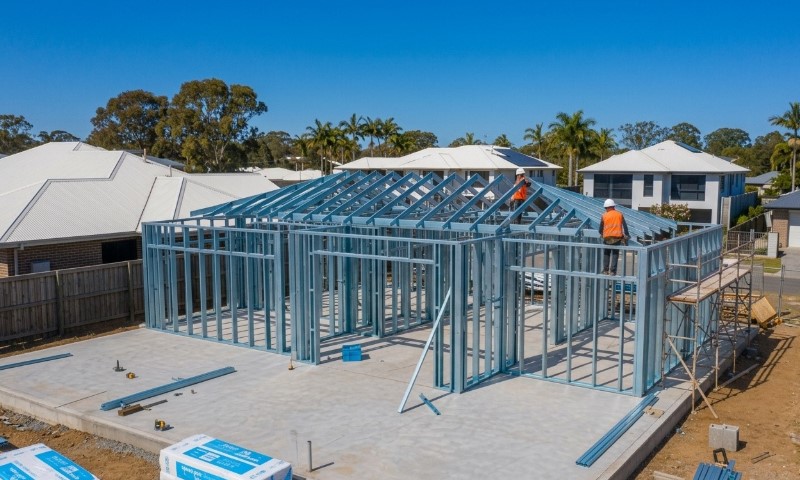
Waste can quietly reduce profitability. Extra material, wrong cuts, damaged supplies, and rework all cost money. Steel home kits are designed to reduce those issues by using exact-fit components made for a specific structure.
Factory-cut steel reduces excess scrap. Standardized parts reduce error-related rework. Fewer jobsite modifications can help keep timelines on track.
When components arrive with clear labels and planned connection points, crews can spend less time sorting, measuring, cutting, and fixing mistakes.
Prefabrication can help reduce construction waste because components are manufactured to planned dimensions before they reach the jobsite.
A peer-reviewed study on prefabrication and construction waste found positive effects from prefabrication on waste minimization, supporting the claim that factory-made components can reduce excess material and jobsite inefficiencies.
Factory fabrication also means every piece is made to a precise size and gauge, with each framing member assigned to a predetermined spot in the structure.
Developers benefit through cleaner jobsites, lower disposal costs, and fewer costly corrections. Reduced waste also supports better planning across repeated builds.
When the same kit design or building system is used again, teams can better estimate material handling, labor needs, and project timing.
Cleaner and more organized jobsites can also improve coordination. With fewer piles of excess material and fewer custom cuts happening on-site, crews can work with less disruption.
That can help keep the project moving and reduce avoidable downtime.
FAQs
Summary
Steel home kits give developers a practical way to shorten construction timelines, reduce labor exposure, control waste, and improve budget predictability.
By moving much of the fabrication work into a factory setting, these systems can reduce jobsite complexity and help projects move faster.