

A lab idea can look brilliant on a bench and still fail when cost, suppliers, testing, and customers enter the picture. That is the honest reality of advanced manufacturing in 2026. The strongest companies are not only inventing faster.
They are learning how to turn promising experiments into products that can be made repeatedly, sold confidently, and improved without chaos.
Why Lab Success Is Only The First Step
The first question is not “Does it work once?” The better question is “Can it work the same way again under normal production pressure?” A prototype is allowed to be slow, expensive, delicate, and a bit dramatic. A market product is not.
This is where many teams get surprised. They celebrate a successful sample, then discover that nobody has defined the process window, quality limits, material behavior, or test method. I have seen this happen, and it is not a pleasant meeting.
Useful early checks include:
- Clear product purpose
- Repeatable material behavior
- Known process limits
- Basic cost range
If those points are vague, the idea is not ready for scale. It may still be worth pursuing, but it needs more discipline before anyone promises a launch date.
Choosing Equipment That Can Grow With The Product
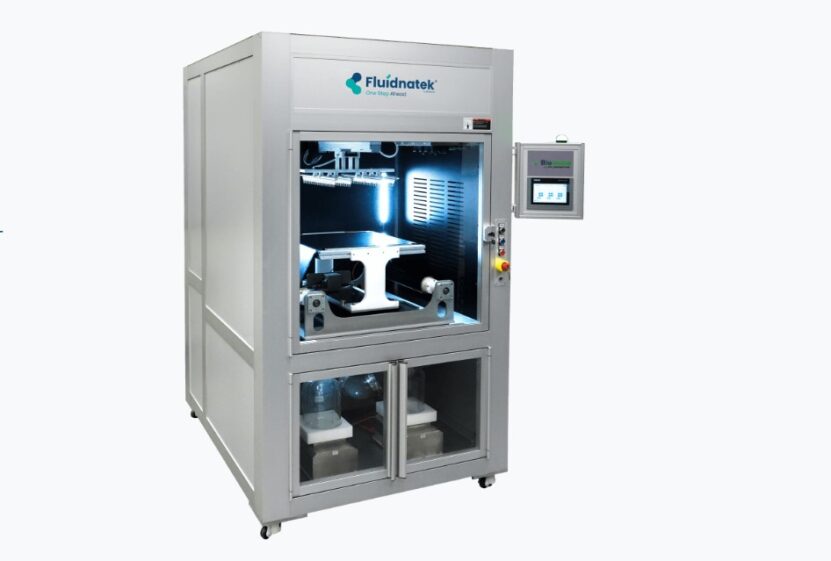
Advanced manufacturing depends heavily on tools that support both experimentation and scale-up. That sounds obvious, but companies still buy equipment for the first successful trial and then act surprised when the next stage needs tighter control, better documentation, or higher output.
For advanced materials, this matters a lot. Teams working with nanofibers need reliable process control, repeatability, and equipment that can support the move from research to pilot production. That is where industrial electrospinning machines fit naturally, especially for biomedical products, pharma applications, filter media, separation media, cosmetics, and performance membranes.
The practical lesson is simple. Do not choose equipment only for today’s experiment. Ask what the product will need during validation, pilot runs, and early manufacturing.
From Prototype To Controlled Process
A prototype proves that something is possible. A controlled process proves that a company can make it on purpose. That difference may sound small, but it is the difference between a technical result and a commercial product.
In 2026, companies are using simulation, digital twins, automated inspection, and AI-supported analysis to reduce guesswork. Good tools help, but they do not replace clean thinking. The team still needs defined parameters, reliable data, and people who understand the process.
|
Lab question |
Market question |
| Can we make it? | Can we make it repeatedly? |
| Does the sample perform? | Does every batch meet the standard? |
| Can one expert run it? | Can a trained team run it? |
If a team cannot answer these questions clearly, it should not move too quickly.
The Pilot Line Is Where Assumptions Get Tested
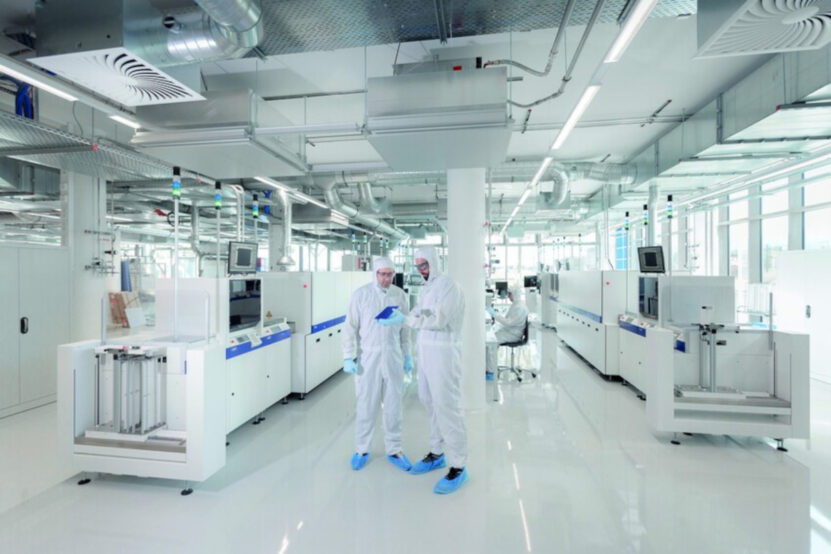
A pilot line is not a ceremonial stop before production. It is where the project gets honest. The material may perform well, but handling may be slow. The machine may be accurate, but cleaning may interrupt output. The process may work, but only when one specific engineer is nearby. You can guess how scalable that is.
A good pilot line should test production reality, not just technical pride. It should expose problems while they are still fixable.
Focus on:
- Output speed
- Yield and scrap
- Operator training
- Maintenance routines
- Packaging and storage
This stage can feel frustrating because it slows everyone down. Still, it is much better to find weak points before customers find them.
Using AI Without Losing The Plot
AI is now part of advanced manufacturing, including quality inspection, predictive maintenance, scheduling, and supply chain planning. That is useful, but only when a team knows the exact problem it wants to solve. “We need AI” is not a plan. It is usually a sign that someone came back from an event with too much confidence.
Start with one measurable bottleneck. Maybe inspection takes too long. Maybe rejects come from material variation. Maybe scheduling creates delays. Then decide what data is needed and who will review the output.
Important note – AI works best when the process already has reliable data, clear rules, and human review. Poor data does not become trustworthy because it passes through newer software.
Use AI as support. Keep people responsible for safety, compliance, and customer impact.
Compliance, Suppliers, And Market Readiness
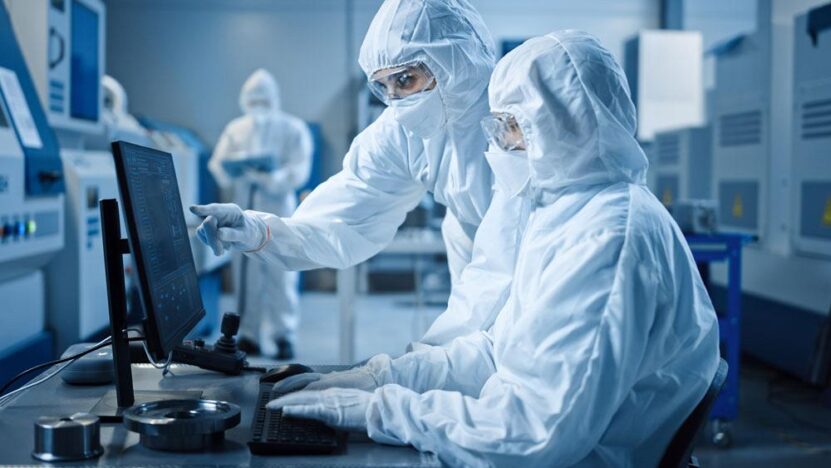
Compliance should not arrive at the end like a guest nobody invited. In medical devices, pharma, aerospace, energy, and advanced materials, regulatory and quality requirements shape the product from the beginning. Documentation, traceability, material records, testing evidence, and change control all matter.
Suppliers deserve the same early attention. A product can pass technical testing and still struggle because one input is too expensive, too slow, or too hard to certify. That is not bad luck. That is planning that started too late.
Ask early:
- Which standards apply?
- What evidence will buyers need?
- Can suppliers repeat quality at scale?
- Are backup sources available?
The market should be involved too. Customer interviews, small paid trials, competitor reviews, and pricing conversations help teams build something people can actually adopt.
What Scale-Up Really Means In 2026
Advanced manufacturing in 2026 is not about chasing every new technology. It is about using robotics, automation, AI, simulation, and better production systems where they improve quality, speed, safety, or consistency. The point is not to look modern. The point is to make better products with fewer avoidable surprises.
Strong scale-up usually looks calm from the outside. The process window is known. The equipment can handle demand. The suppliers are qualified. The quality system catches problems early. The sales team understands what the product can honestly promise.
Advanced manufacturing is really the work of turning good ideas into products that can be produced, trusted, shipped, serviced, and improved. It takes patience, testing, and a few uncomfortable conversations. If a company handles those parts well, the path from lab to market becomes far clearer.