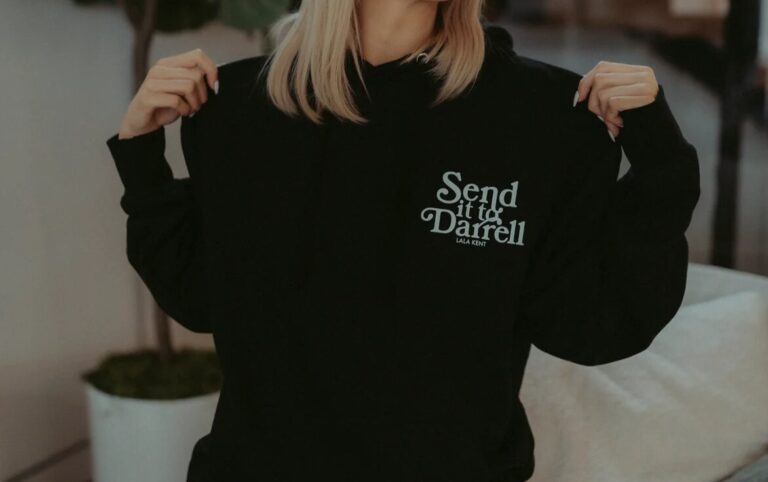
Lala Kent turned “Send It to Darrell” into sweatshirts within hours. Ariana Madix and Katie Maloney sold about $200,000 worth of Something About Her merchandise before their sandwich shop opened. NeNe Leakes printed “Bloop,” “Girl Bye,” and “Yasss Hunni” on shirts after those phrases became part of Real Housewives culture. Reality stars launch merch because television gives them something most retailers spend years trying to build, an audience that already recognizes their words.
The celebrity supplies the attention, but someone still has to receive stock, count shirts, print labels, pack orders, and process returns. Dollan Prep Center provides fulfillment services for startups that need those jobs handled outside the founder’s home or office, especially after a viral moment creates more orders than a small team can ship alone.
Merch works because fans are buying more than fabric. A sweatshirt places them on one side of a television argument. A mug recalls a scene they discussed online. A hat supports a cast member during a breakup or business launch. The product becomes a physical piece of a story viewers already follow.
Lala Kent Turned One Angry Sentence Into a House Down Payment
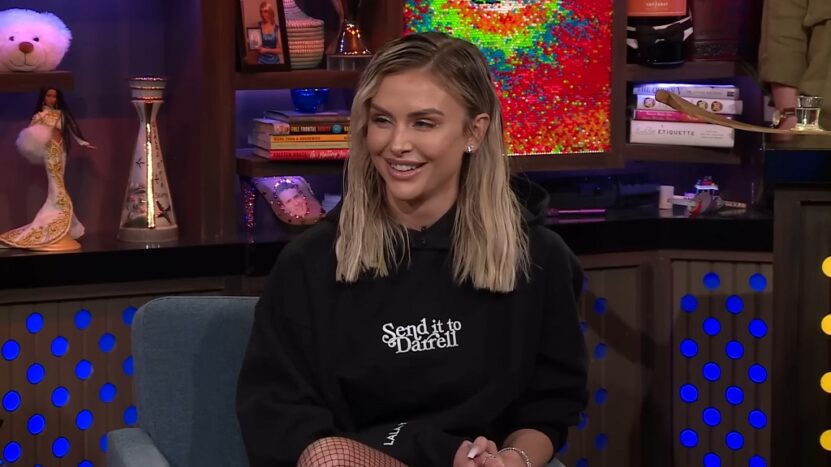
One of the clearest reality TV merch stories began with an Instagram video. During the 2023 scandal involving her Vanderpump Rules castmates, Lala Kent told people contacting her about the situation to “Send it to Darrell,” referring to her lawyer, Darrell Miller.
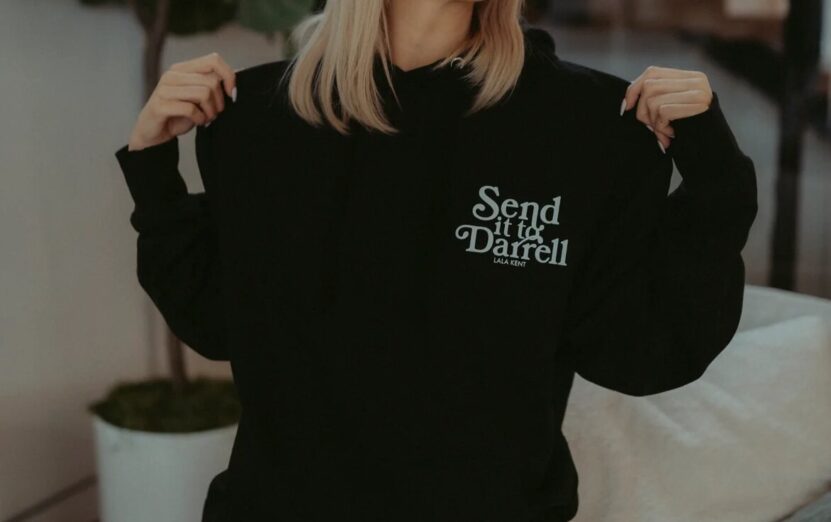
The sentence spread across social media almost immediately. Kent recognized that the phrase had a short commercial window and contacted her merchandise team. Hoodies were available for sale within hours rather than weeks.
Kent later said the money earned from the merchandise covered the down payment on her Palm Springs home. She did not disclose a complete sales and profit breakdown, but the result showed how valuable timing can be. The sweatshirt was not based on a carefully planned seasonal collection. It captured an unfolding scandal at the exact moment viewers wanted to participate in it.
The backstage team had to move just as quickly. Someone created the design, prepared the product listing, confirmed the sweatshirt supply, arranged printing, collected payments, and organized shipping. A viral phrase has little commercial value if the product appears after viewers have moved on.
Something About Her Sold Merchandise Before It Sold Sandwiches
Ariana Madix and Katie Maloney announced their Something About Her sandwich shop during Vanderpump Rules. Permits, construction, design work, and other delays kept the physical location closed much longer than expected. Merchandise allowed the pair to earn money from the brand before the first customer ordered lunch.
The original online range included crewneck sweatshirts priced at $49.99, T-shirts priced at $34.99, hats priced at $29.99, and phone cases priced at $18.99. The products carried the Something About Her name rather than a photograph of either reality star.
During the Vanderpump Rules reunion in May 2023, Madix and Maloney said the merchandise had already generated about $200,000 in sales. Lisa Vanderpump pointed out that the money would help them open the shop.
The strategy gave fans a practical way to support Madix after the highly publicized end of her relationship with Tom Sandoval. Buyers were also supporting the business partnership between Madix and Maloney. A sweatshirt represented the sandwich shop, female friendship, and the television storyline at the same time.
Something About Her also demonstrates the difference between sales and profit. Revenue from a $50 sweatshirt must cover the garment, printing, packaging, payment processing, warehouse work, shipping support, returns, taxes, and marketing. The amount announced during a reunion is not the amount the owners keep.
NeNe Leakes Built Shirts Around Quotes Fans Already Used
NeNe Leakes did not need to explain “Bloop” to Real Housewives of Atlanta viewers. Fans already repeated the word in conversations and social media posts. The same applied to “Girl Bye,” “Yasss Hunni,” and “The Thirst Is Real.”
@bravotv Bloop bloop! Welcome back to Bravo, @Nene Leakes ♬ original sound – Bravo
Leakes released a T-shirt collection featuring those phrases in 2014. The products worked because the language had already been tested by the audience. Viewers had shown which expressions they remembered before the shirts entered production.
Her collection provides a simple lesson about reality television merchandise. The strongest slogan is rarely created in a marketing meeting. It comes from a scene that viewers quote without being asked.
A generic shirt carrying a cast member’s name appeals only to devoted supporters. A recognizable line reaches a wider group because it recalls a specific emotion or reaction. Fans can wear “Girl Bye” even when nobody around them watches the show.
Snooki Turned Reality TV Recognition Into a Retail Chain
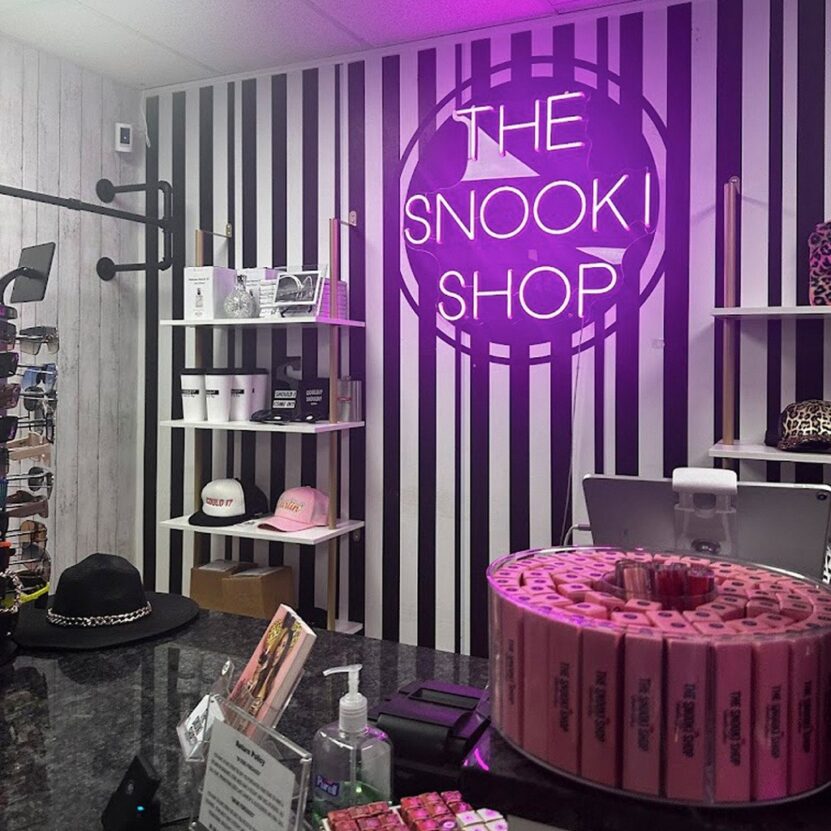
Nicole Polizzi took a different route. The Jersey Shore star built The Snooki Shop into a broader fashion business selling dresses, tops, loungewear, accessories, beauty products, and branded merchandise.
The business moved from online sales into physical retail. The Snooki Shop now lists locations in Madison, Seaside Heights, Huntington, and Nashville. Its merchandise still uses moments associated with Jersey Shore, but the stores also sell clothing chosen around Polizzi’s personal style.
Snooki’s example shows the possible progression from merch to retail brand. A reality star begins with name recognition and television references. Over time, the company needs products customers want even when no new episode is airing.
A shirt based on an old Jersey Shore scene attracts fans and tourists. A dress, handbag, or pair of slippers must compete with similar products from regular fashion retailers. Celebrity recognition brings people into the store, but selection, quality, price, and service determine if they return.
A Viral Quote Must Reach the Store Within Hours
Reality TV merch has a short selling window. Audience interest peaks during the episode, reunion, interview, or social media argument that produced the phrase. A practical launch follows a clear sequence.
- The team identifies the phrase viewers are repeating.
- A lawyer checks ownership and trademark risks.
- A designer prepares simple artwork that reads clearly on a product.
- The seller chooses print-on-demand or bulk production.
- Samples confirm the garment, print position, color, and sizing.
- The ecommerce team creates the product page and payment process.
- The warehouse prepares packaging and estimates launch volume.
- The reality star announces the product through social media.
- The fulfillment team processes the incoming orders.
- Customer service handles delivery questions, exchanges, and refunds.
Lala Kent’s team completed the early stages fast enough to place “Send It to Darrell” hoodies online on the same day. Such speed usually requires an existing relationship with a printer, a ready ecommerce store, approved payment processing, and people prepared to handle orders.
Print-on-Demand Tests the Joke Before Anyone Orders 5,000 Shirts
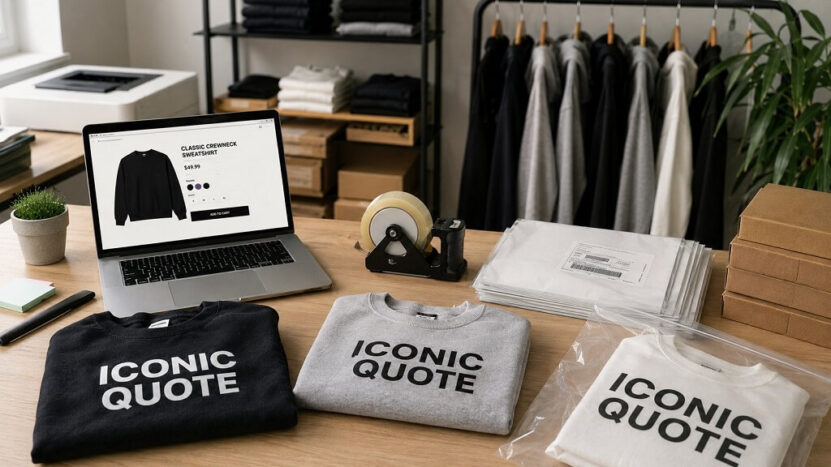
Print-on-demand production gives reality stars a fast way to test a slogan. A garment is printed after the customer places an order. The seller avoids purchasing thousands of units before knowing if fans will buy them.
The tradeoff appears in the unit cost. Printing one shirt at a time costs more than producing a large batch. The seller also has less control over packaging, dispatch speed, and final inspection.
Bulk manufacturing improves margins after demand is proven. The team orders hundreds or thousands of units, receives them at a warehouse, and ships from available stock. Customers receive their orders faster, and the seller controls the finished product more closely.
Bulk orders introduce inventory risk. A phrase linked to one episode can lose relevance before the final cartons arrive. Unsold hoodies continue occupying storage space long after the audience stops repeating the joke.
What Happens After a Reality Star Posts the Purchase Link
The Instagram announcement starts the warehouse’s busiest period. A successful post can send thousands of customers to the store within minutes. Each order creates a specific set of physical tasks.
Warehouse staff locate the correct product, size, and color. The item is checked for stains, printing errors, or damage. Staff then fold it, add any branded card or sticker, seal the package, print the carrier label, and move the parcel into the correct collection area.
Inventory records must update after each order. A hoodie available in five sizes and four colors creates 20 separate stock units. Two sweatshirt colors double the number. One inaccurate count allows customers to purchase sizes that no longer exist.
Reality stars also add complications through signed items, bundles, limited editions, and personalized notes. Such features increase the value of a product but slow packing. The warehouse needs a separate process to ensure the promised extra reaches the right customer.
Delivery questions begin as soon as tracking numbers are issued. Customers ask why a parcel has not moved, request an address change, or report a missing package. The celebrity’s social media comments quickly become a public customer service desk when support falls behind.
A $50 Hoodie Does Not Create $50 of Profit
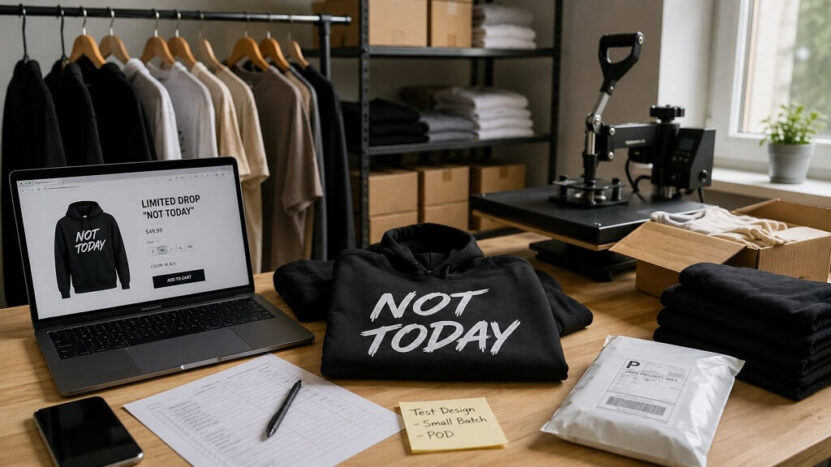
Reality stars promote the selling price because it is the number customers see. The backstage team works with a much longer calculation.
Consider an illustrative $50 hoodie. The blank garment and printing might cost $16. Packaging could add $2. Payment processing might take another $2. Warehouse picking and packing could cost $4. Promotional expenses, customer support, damaged items, returns, and software reduce the margin further.
Shipping creates another decision. Charging the customer protects the seller’s margin but makes the final checkout price less attractive. Offering free shipping increases conversions but transfers the delivery expense to the business.
Management companies and business partners may also receive a percentage. If a television network owns a show name, logo, or phrase, licensing costs can enter the calculation. The reality star keeps only the amount left after every expense and contractual share has been paid.
Merchandise Can Fund the Next Business
Something About Her used merchandise revenue to support a physical restaurant that had not opened. Lala Kent directed earnings from a viral sweatshirt toward a home purchase. Other reality personalities use merch income to fund podcasts, beauty lines, live shows, boutiques, and future product launches.
Merch works well as early capital because the audience pays for a product connected to a business or personality it already supports. The owner gains revenue without giving an investor part of the company.
Preorders reduce the initial cash requirement further. Customers place orders before the full production run begins, giving the seller a clearer quantity estimate. Delivery takes longer, so the product page must state the expected dispatch date clearly.
Problems arise when preorder money is spent before production, taxes, refunds, and shipping have been covered. A large sales total can create a false impression of available cash.
Legal Ownership Matters Before a Quote Goes on a Shirt
A cast member does not automatically own every phrase spoken during filming. Production agreements can give a network or production company rights connected to the program. Show titles, cast photographs, logos, and reunion images also carry separate ownership.
@youripattorney Can a company legally sell celebrity merch without permission? The family of Selena Quintanilla filed a lawsuit against Shein for allegedly selling unauthorized merchandise using Selena’s name and likeness. This is where trademark rights and rights of publicity come into play. If you are selling goods that infringe on someone’s name, image, or brand, your listings can be removed and legal action can follow. Amazon sellers and boutique owners, take note 📦⚠️ #rightsofpublicity #trademarkinfringement #brandprotection #intellectualpropertylaw #youripattorney ♬ original sound – Leela Madan
Lala Kent asked her lawyer for permission before selling products containing his name. That small step reduced the risk of a dispute after the hoodies went on sale.
Trademark searches are equally important. Another business may already use the same slogan for clothing or related products. Printing thousands of units before checking the phrase leaves the seller exposed to legal demands and unusable inventory.
Disputes can also arise between cast members. Kristen Doute publicly accused Jax Taylor of copying designs connected to her James Mae clothing line and The Valley. Their disagreement showed how quickly reality drama can move from television into product ownership.
Some Merch Lines Fail Because They Arrive Too Late
A delayed launch misses the emotional reason for buying. Fans wanted “Send It to Darrell” products during the Scandoval discussion. The same sweatshirt released six months later would have felt like an old reference.
Weak designs create another problem. Placing a basic quote in a common font on a low-quality shirt does not automatically produce a desirable product. Fans compare the price with regular clothing and expect acceptable fabric, sizing, printing, and delivery.
Overestimating the audience is equally dangerous. One million followers do not equal one million customers. Many people follow reality personalities for gossip, criticism, or entertainment. Only a small percentage will pay for merchandise.
A line also loses relevance when it depends entirely on a relationship or feud. Couple names, breakup jokes, and attacks on another cast member can become awkward after reconciliation or a new storyline.
Merch and a Real Consumer Brand Are Different Businesses
Merchandise sells the person, quote, or television moment. A consumer brand sells the product itself. The difference determines how long the company survives.
NeNe Leakes’ slogan shirts were direct reality merchandise. Customers bought phrases associated with her television personality. The Snooki Shop moved further into regular retail by selling broad fashion and beauty ranges alongside Jersey Shore references.
Kyle Cooke’s Loverboy represents another path. Summer House gave the canned beverage company national exposure, and branded hats and clothing support the main product. The merchandise promotes an operating beverage business rather than serving as the entire offer.
Long-term growth begins when customers buy without needing the television reference. A strong fabric, useful product, recognizable design, or trusted brand gives the company value after the show changes cast members or ends.
Last Words
Merchandise converts a brief television moment into a product that can be sold immediately. The star already has an audience, a recognizable personality, and a direct promotional channel. Startup costs remain lower than opening a restaurant, producing cosmetics, or building a full fashion range.
The clearest examples show several different outcomes. Lala Kent captured a viral sentencede sada de quickly enough to fund a house down payment. Ariana Madix and Katie Maloney used about $200,000 in early merch sales to support Something About Her. NeNe Leakes sold the expressions viewers already associated with her. Snooki expanded her reality persona into a wider retail operation with several physical stores.
The pattern looks simple from the customer’s screen. A reality star wears a hoodie and posts a link. Backstage, designers, lawyers, printers, warehouse workers, fulfillment teams, customer service staff, and accountants turn that post into a functioning retail business.